Optimal Timing for Poison Ivy Removal
Poison ivy removal timing is crucial for effective eradication and minimizing health risks. The optimal time for removal depends on the plant's growth cycle, local climate, and specific environmental conditions. Proper timing ensures that the plant is accessible for removal and reduces the likelihood of regrowth.
Spring is ideal for poison ivy removal because the plants are actively growing and easier to identify before they fully leaf out.
Late summer and fall are suitable times for removal as the plants are mature, and the risk of allergic contact is reduced when leaves are not present.
Winter removal can be effective when the plant is dormant, making it easier to identify and remove the root system without leaves or vines obscuring the plant.
Peak summer months may pose higher risks due to dense foliage and increased skin contact with the plant during removal activities.
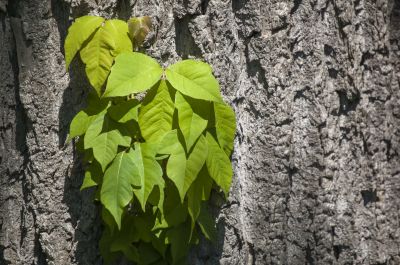
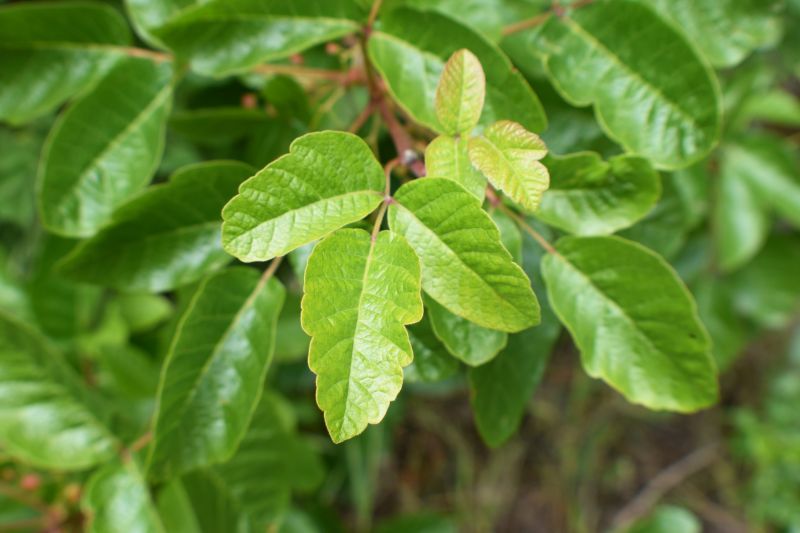
Poison ivy begins to grow early in the season, with new leaves emerging in spring.
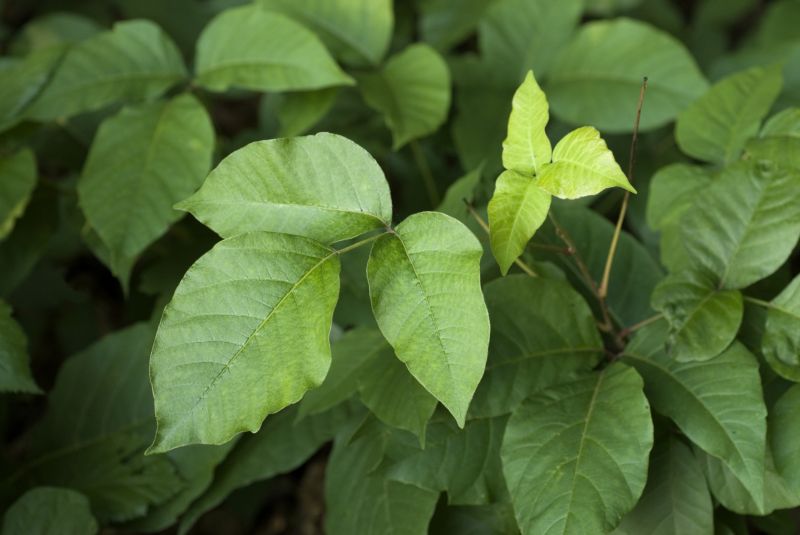
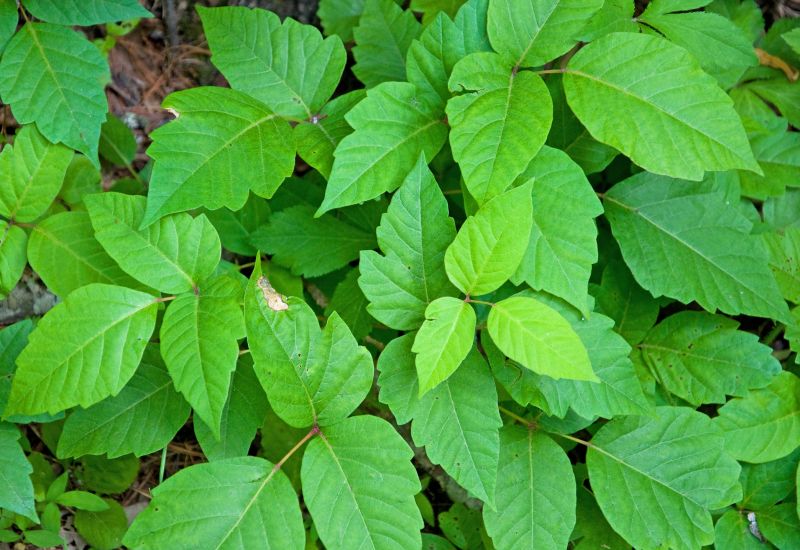
Fully grown poison ivy plants in late summer or fall.
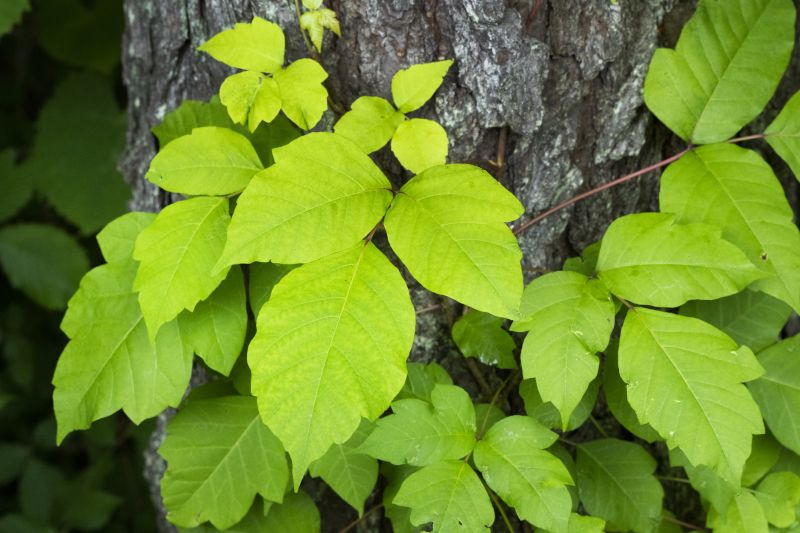
Poison ivy in winter dormancy, with no leaves or vines visible.
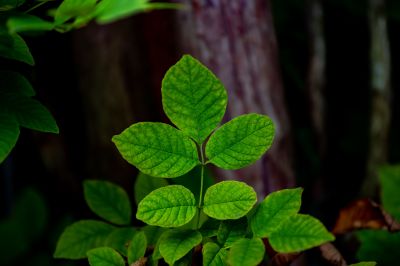
Ways to make Poison Ivy Removals work in tight or awkward layouts.
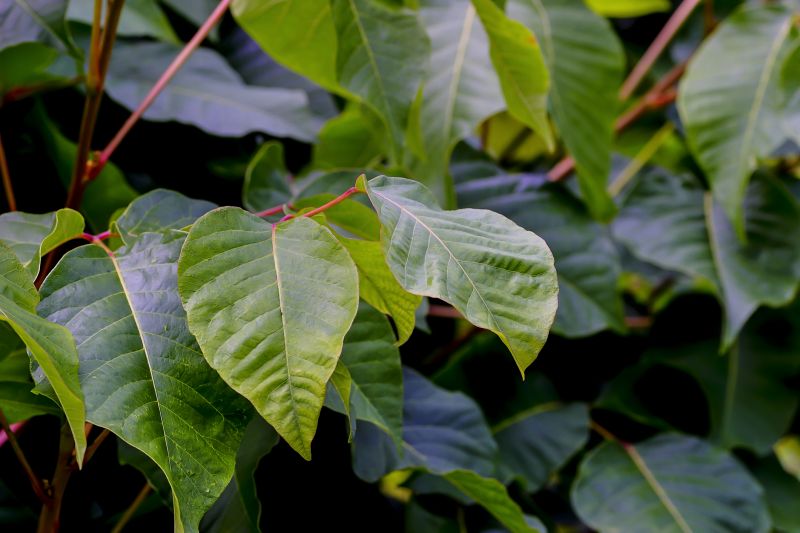
Popular materials for Poison Ivy Removals and why they hold up over time.
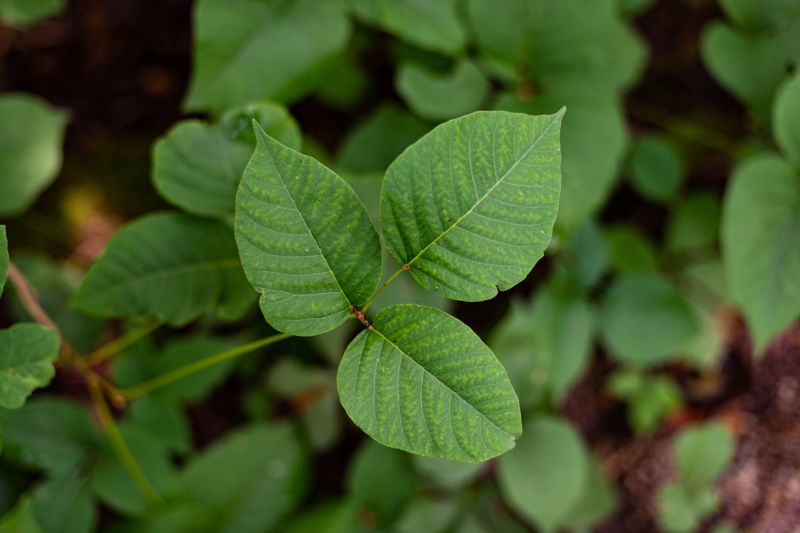
Simple add-ons that improve Poison Ivy Removals without blowing the budget.
| Season | Best Practices |
|---|---|
| Spring | Identify and remove young plants before they fully leaf out. |
| Summer | Limit removal activities due to dense foliage and increased contact risk. |
| Fall | Remove mature plants before leaf drop to reduce regrowth. |
| Winter | Target dormant plants for root removal when visibility is better. |
| Late Summer/Early Fall | Ideal for complete eradication efforts with mature plants. |
Poison ivy removal is most effective when timed according to the plant's growth cycle. Early spring allows for the removal of new growth before it becomes more established, reducing the spread. Late summer and fall are also suitable for tackling mature plants, which are easier to identify and remove before seed dispersal. Winter removal, when the plant is dormant, offers an opportunity to access the root system with minimal foliage interference. Proper timing can significantly impact the success of eradication efforts and help prevent future growth.
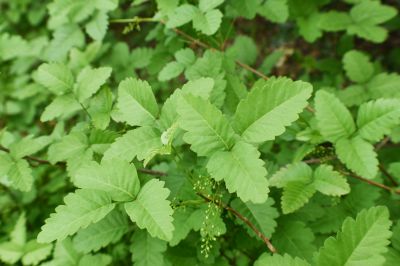
Dormant poison ivy plants during winter, with no leaves.
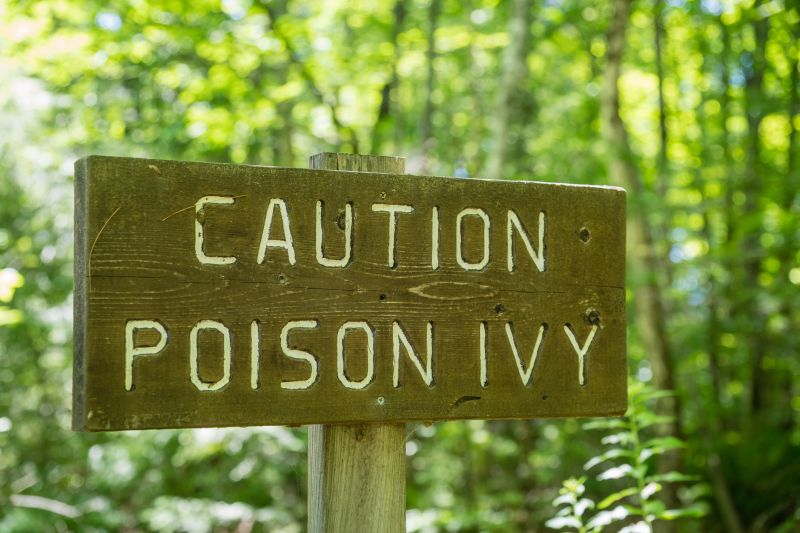
Active poison ivy during the growing season.
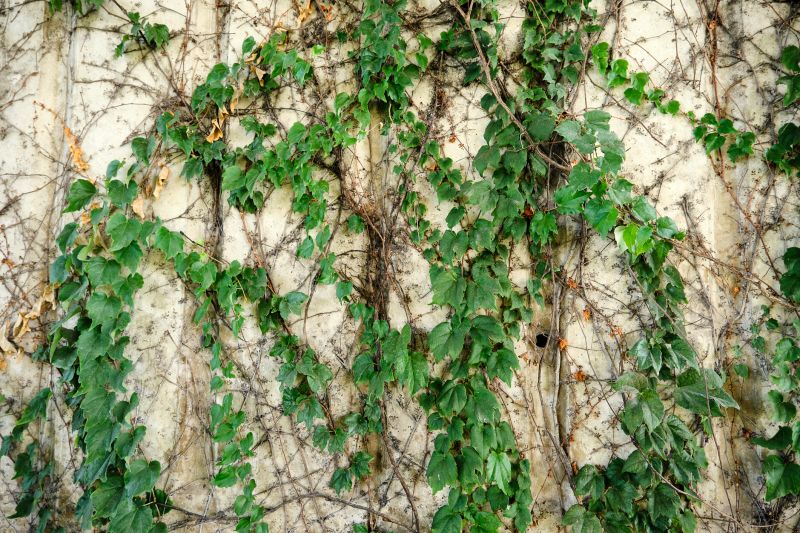
Vines climbing on trees and structures.
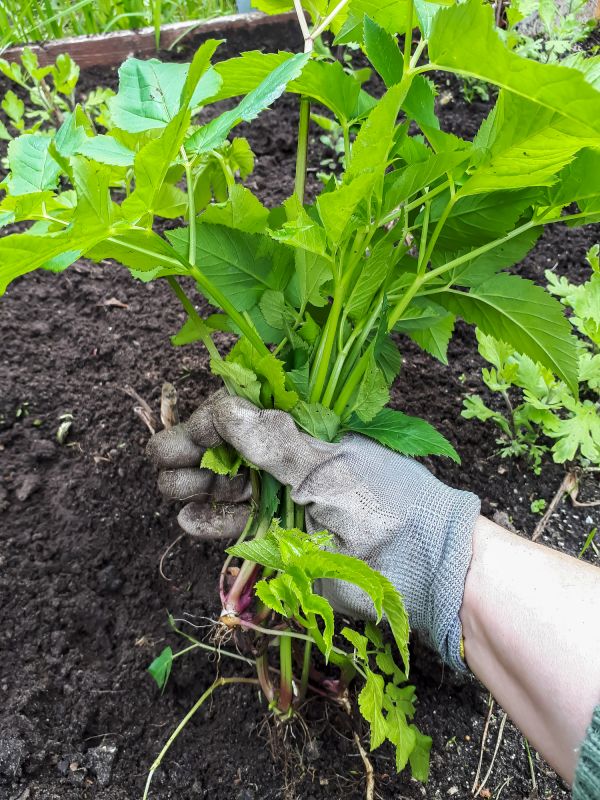
Tools used for root removal during winter.
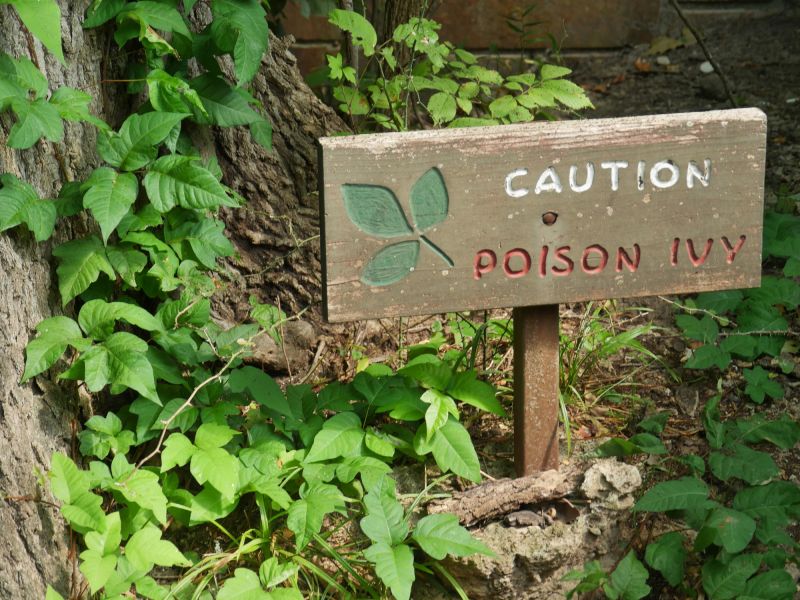
High-end options that actually feel worth it for Poison Ivy Removals.
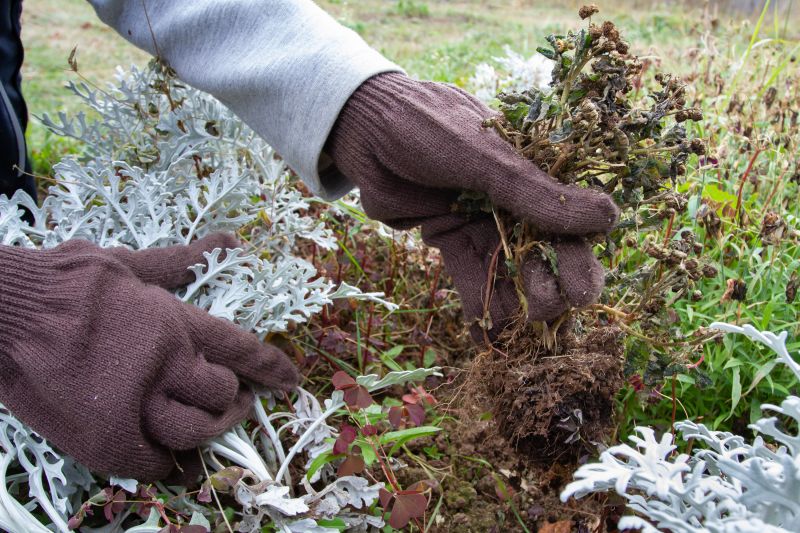
Finishes and colors that play nicely with Poison Ivy Removals.

Little measurements that prevent headaches on Poison Ivy Removals day.
A 60-second routine that keeps Poison Ivy Removals looking new.
A frequent mistake in Poison Ivy Removals and how to dodge it.

Small tweaks to make Poison Ivy Removals safer and easier to use.
Lower-waste or water-saving choices for Poison Ivy Removals.

The short, realistic tool list for quality Poison Ivy Removals.
Understanding the seasonal growth patterns of poison ivy helps in planning effective removal strategies. Early intervention in spring can prevent extensive vine growth, while fall removal targets mature plants before seed dispersal. Winter removal, when plants are dormant, allows for thorough root extraction, reducing the chance of regrowth. Timing considerations are essential for safe and efficient eradication, especially in areas with high foot traffic or sensitive environments.
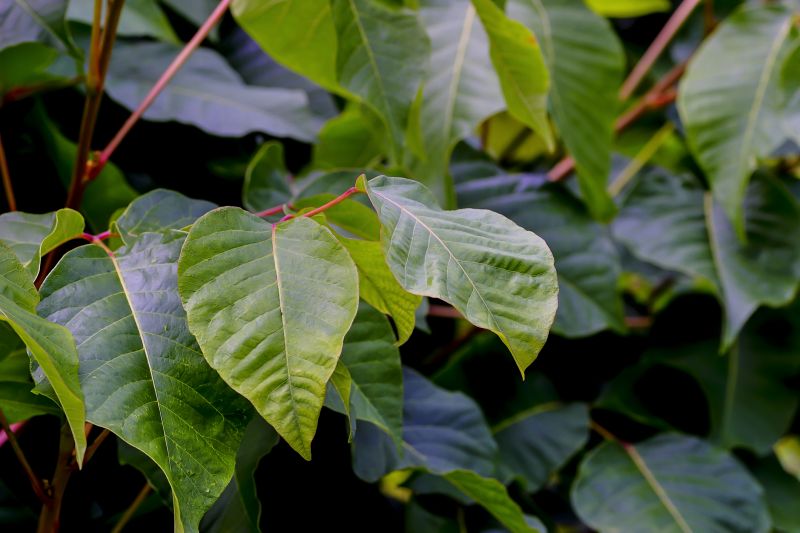
Learn to recognize poison ivy by its characteristic leaves and vines to plan timely removal.
Wear protective clothing and gloves during removal to prevent skin contact.
Use appropriate tools and herbicides for complete eradication of roots and vines.
Monitor the area regularly after removal to catch any new growth early.
Effective poison ivy removal requires understanding the plant's lifecycle and selecting the optimal time for intervention. Proper identification, safety measures, and appropriate removal techniques are essential components of successful eradication. Regular monitoring after removal helps prevent future growth and maintains a safe environment for outdoor activities.
Interested in poison ivy removal services? Filling out the contact form provides an opportunity to discuss options and schedule an assessment for your property.